Example scenario
A four-room dental clinic
- The X-ray unit sits on a direct cable and its own network.
- One Wi-Fi network for staff and another for visitors in the waiting area.
- A second internet line so bookings keep working if the first drops.
UltraTech Kuwait designs and installs network infrastructure for clinics and medical centres in Kuwait: structured cabling, Wi-Fi that covers every room, medical and imaging devices kept on their own network apart from staff and guests, a firewall, a backup internet line and complete handover documents. We work on the network and cabling. We do not sell or change clinical record software, and we do not issue compliance certificates.
Business site visits: Site visits are free in most areas of Kuwait. Distant areas have a location-based fee; select your area to see the exact fee before booking. Any paid visit fee is deducted from your final invoice if you go ahead with us.
Reviewed by Eng. M. Ahmed, Team Leader, Network & Project Specialist
Last updated:
01
Medical devices on the guest network. If a scanner or patient monitor shares a network with staff and visitors, one infected laptop can reach all of it.
Rooms without coverage. Weak Wi-Fi in an exam or X-ray room slows access to the patient record.
The internet drops. If bookings, insurance checks or an outside lab depend on the internet, an outage stops work.
Old, undocumented cabling. Nobody knows which cable serves which room, so every fault takes longer.
The aim is that your team knows where every device connects and what happens when one part fails. We confirm this at the visit.
02
| Area | What it needs | How we handle it |
|---|---|---|
| Medical imaging | Moves images in DICOM, an international standard used in most radiology, cardiology and radiotherapy devices 2 | A direct wired port on a separate network; we do not rely on Wi-Fi |
| Patient records | Exchange of health data between systems, for example through the FHIR standard 3 | Access control, a backup line and a backup held by the system's vendor |
| Staff and offices | Computers, printers, phones | A separate network and Wi-Fi protected by user accounts |
| Visitors and patients | Internet only | An isolated guest network that reaches no internal system |
| Cameras and door access | Recording and door locks | Their own network; recording time agreed with your management |
What each area needs depends on the facility, its systems and the software vendor. We take the device and software vendors' requirements as given and build the network around them.
03
Facts from sources we read on 16 Nov 2026, not measurements from our own sites.
IEC 80001-1:2021
International standard for risk management of IT networks that connect medical devices, covering safety, effectiveness and security 1
DICOM
International standard for medical images, used in X-ray, CT, MRI and ultrasound devices 2
US$4.99 million
Global average cost of a data breach in IBM's 2026 report 4
42-46 °C
Average maximum temperature in Kuwait from 6 June to 19 July, per the Kuwait Meteorological Center 5
We quote no uptime percentage and no results from client sites. The figures above are from their sources only.
04
Cabling to every roomNetwork points in exam rooms, reception and the lab, each cable numbered and documented.
Planned Wi-FiAccess points placed for the building's walls, with separate networks for staff and guests.
Medical devices kept apartA dedicated network for medical devices behind a firewall, with rules for who may talk to whom.
A backup internet lineTwo lines, or a line and a 5G SIM, with the router switching between them by itself 6.
A tidy comms roomA ventilated cabinet with power from a backup source sized for the equipment.
Documented handoverNetwork diagram, cable schedule, accounts and before-and-after photos of the cabinet.
05
Site visitWe review the building, rooms, existing devices and comms room.
DesignA plan of separate networks, cabling and Wi-Fi positions.
Install and testWe install, then test coverage, separation and the switch to the backup line.
HandoverDocuments and a walk-through for your administrator, then support under a maintenance contract.
06
Illustrative scenarios, not completed projects or measured results.
Example scenario
Example scenario
Example scenario
07
Closed by default.
| Standard | What it covers | Our role |
|---|---|---|
| IEC 80001-1:2021 | Risk management of IT networks connected to medical devices 1 | A reference for sharing responsibilities; we issue no certificate against it |
| DICOM | Format and transfer of medical images 2 | We provide network and ports; device settings stay with its vendor |
| HL7 FHIR | Exchange of health data between systems 3 | We provide the connection; software integration stays with the vendors |
08
| Aspect | Normal office network | Clinic or medical centre |
|---|---|---|
| Devices | Computers and printers | Computers plus imaging, monitoring and lab devices |
| Separation | Often one network | Separate networks for medical, staff and guests |
| When the internet drops | Work slows | Bookings and results are delayed, so a backup line |
| Documentation | Basic | Diagram, cable schedule and firewall rules |
10
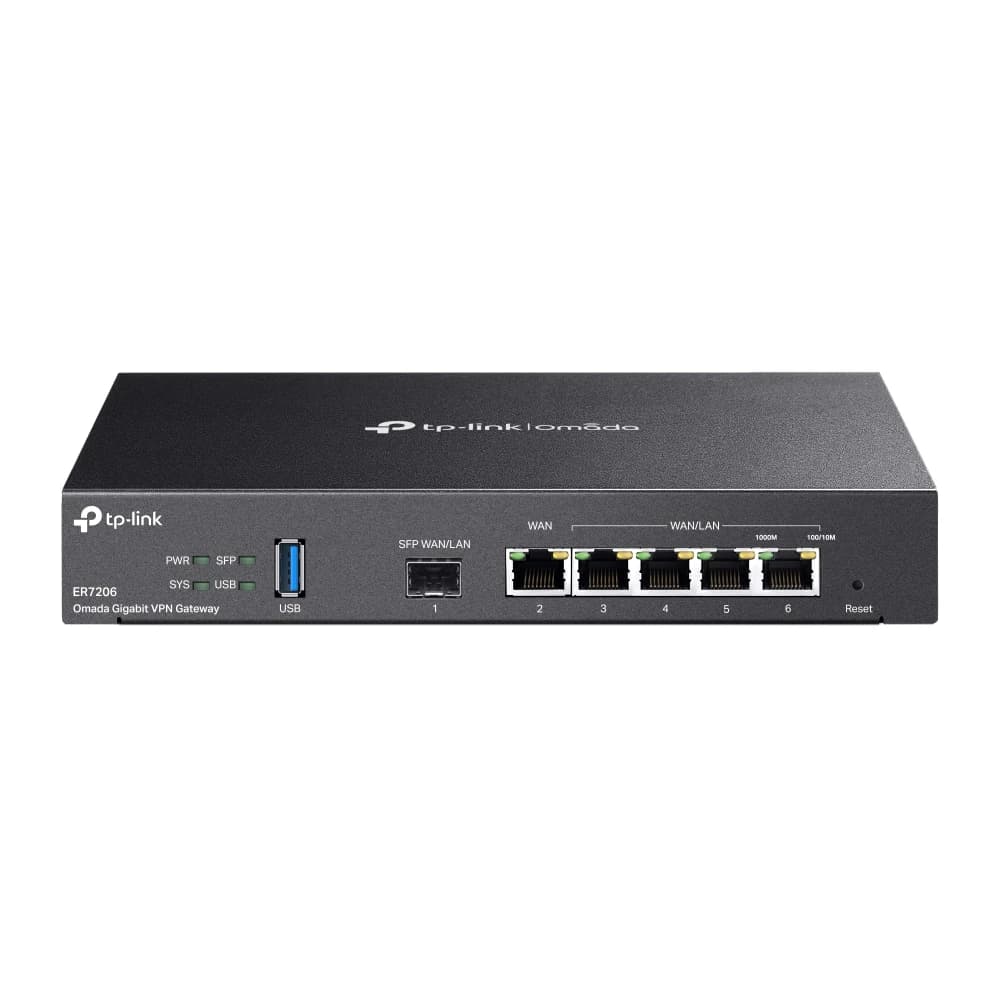
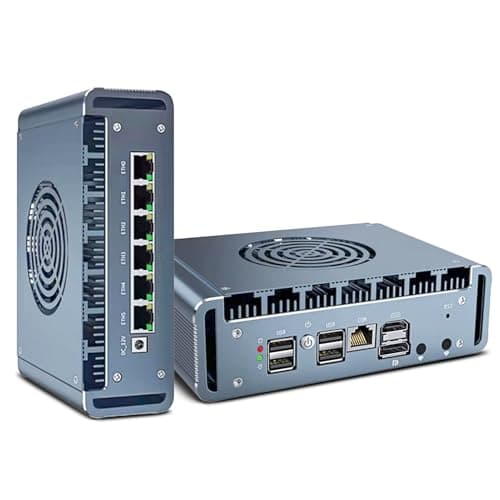
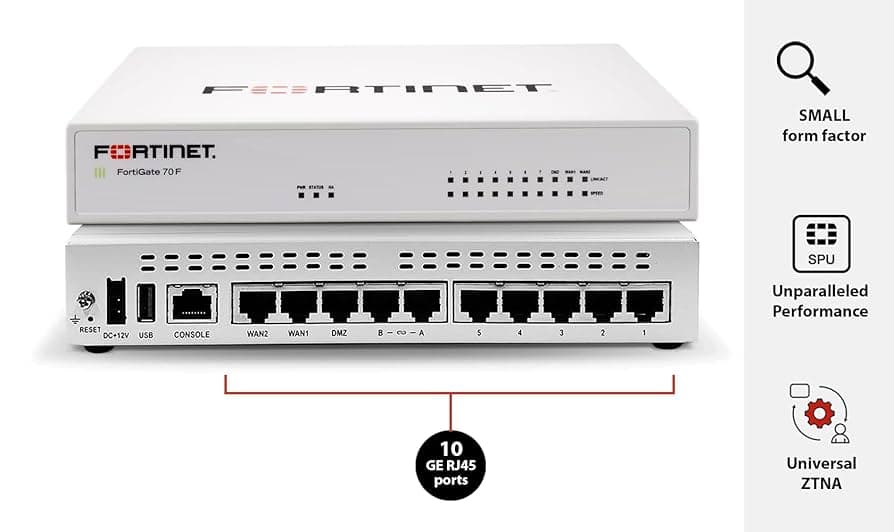
Firewalls and edge routers we use to keep networks apart and switch between lines.
11
Let us review your setup
Business site visits: Site visits are free in most areas of Kuwait. Distant areas have a location-based fee; select your area to see the exact fee before booking. Any paid visit fee is deducted from your final invoice if you go ahead with us.
12
Every figure on this page comes from a source we opened on 16 Nov 2026.
Could not read: ISO 27799 on iso.org (access refused), Ministry of Health pages, and IBM's healthcare-specific figure (not read at source, so not quoted).